Settling In

Learning a new language is hard. For all those people who say, “English is one of the hardest languages and Spanish is an easy language to learn” – I would like to present the following evidence.

IR – to go – this is one of the more common verbs in Spanish, I will break it down for you.

  • Voy – I go
  • Vas – you go (informal)
  • Va – you go (formal)
  • Vamos – we go
  • Van – they go
  • Fui – I went
  • Fuiste – you went (informal)
  • Fue – you went (formal)
  • Fuimos – we went
  • Fueron – they went
  • Iba – I have gone
  • Ibas – you have gone (informal)
  • Iba – you have gone (formal)
  • Ibamos – we have gone
  • Iban – They have gone
  • Ire – I will go
  • Iras – you will go (informal
  • Ira – you will go (formal)
  • Iremos – we will go
  • Iran – They will go
  • Ve – you go (informal – command)
  • Vaya – you go (formal – command)
  • Vayan – they go (command)
  • Yendo – am going

I hope you are still with me, if so, there might be some hope for you to learn Spanish. Just to be clear, this is only the most basic conjugation, the bare minimum for being able to speak conversational Spanish. There are many additional tenses and forms that need to be learned to speak, “like a native”.

When I left for my first day of Spanish School, I felt like my biggest obstacle would be the drive. A 45 minute drive one-way in the VAN while dodging buses, sugarcane trucks, other drivers who think they are in the Indy 500 and the ever present cows, chickens and dogs on the road. All of these were very real obstacles. The buses own the road and make way for no one. The trucks, heavily loaded with sugarcane, treat the road as their private highway. And this particular stretch of road is known for being used as a cow path, the locals call it something that translates roughly into “The Long, Narrow Barnyard”.
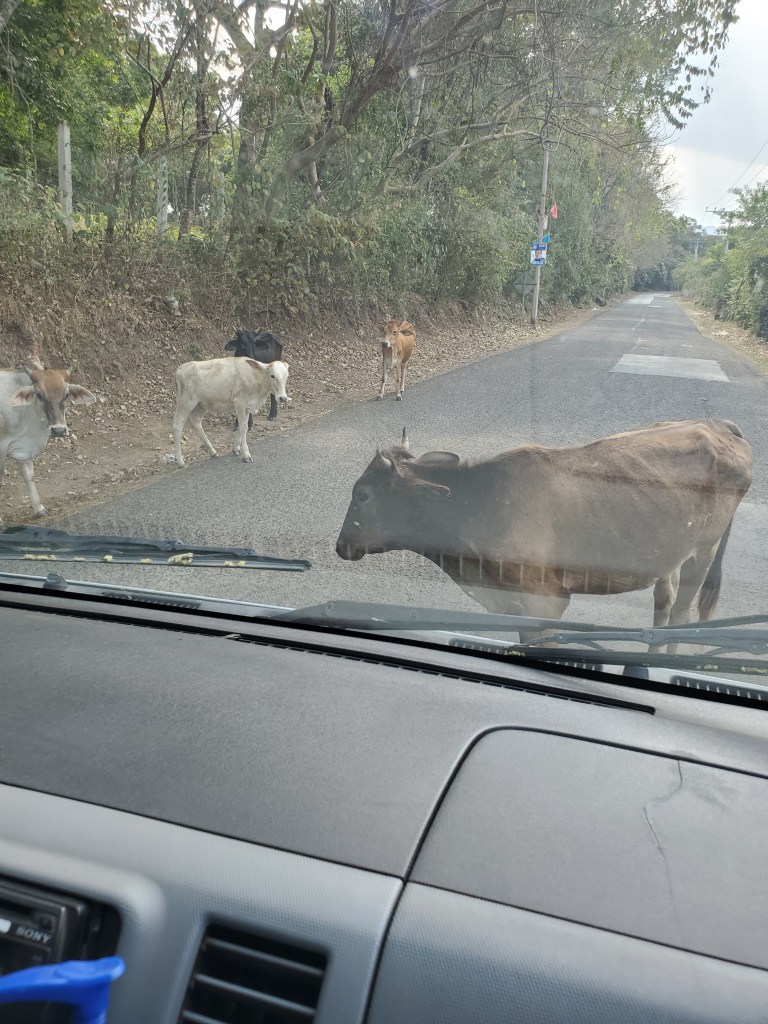
Surprisingly, my #1 enemy was none of the above, instead it was these innocent looking bumps in the road called “Tumulos”. I suppose in the states we would call them speed bumps. Here in El Salvador, they are fiendishly deployed at key places along the road and often camouflaged by faded paint and no warning signs. To the unsuspecting “gringo” driver they can be quite unpleasant. Driving along smoothly, eyes alert for buses or stray cows, a nice straight stretch of road, able to build a little speed and confidence. Then, WHAM, teeth rattling, knees banging the dash, stomach clenched and heart lurching. TUMULO!!

Even worse is when after a week of driving the road twice a day, you are starting to feel like you are doing pretty well. You and the van are old friends by now. You are cruising along in 4th gear when you see a rooster crossing the road. You smoothly drop a gear, brake a little and swerve slightly to avoid hitting it. After all that, it’s still pretty close so you glance in your mirror to make sure he survived. Sure enough, he’s alive and well but missing a few tail feathers. Chuckling at the sight of him squawking and scrambling out of the way, you turn your attention back to the road. TUMULO!!! O well, teeth were due for a good rattling anyway.

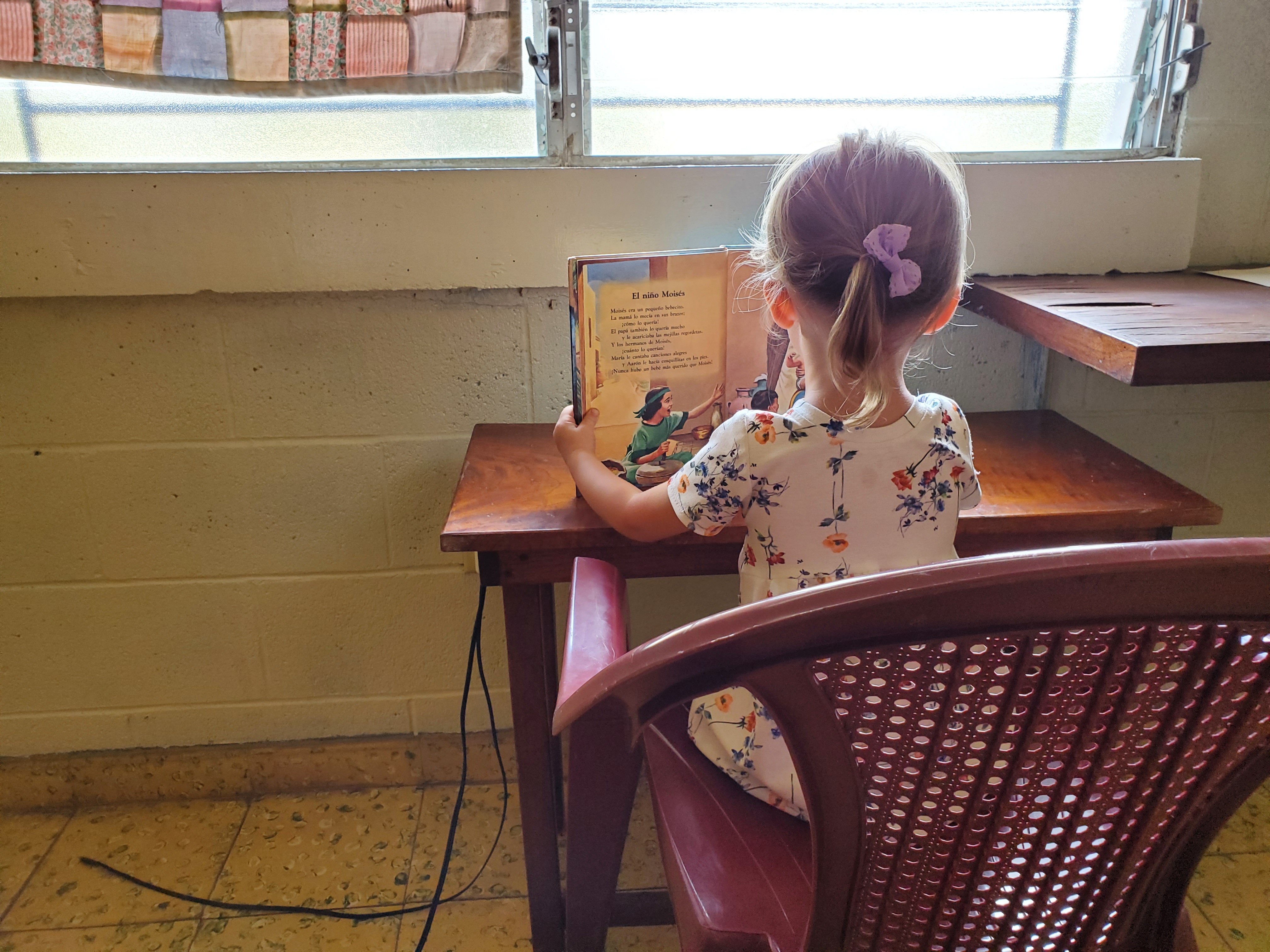
And yet, even tumulos are not my greatest struggle. That would be the Spanish verb, in all it’s forms and tenses. I enjoyed school and I still enjoy reading and learning new things but nothing I have ever done has prepared me for the rigors of learning a new language. I sit in church and concentrate with every fiber in my body and comprehend anywhere from about zero to 75% of what is being said. It’s like being on a phone call with someone who has bad service and you only get bits and pieces of the conversation.
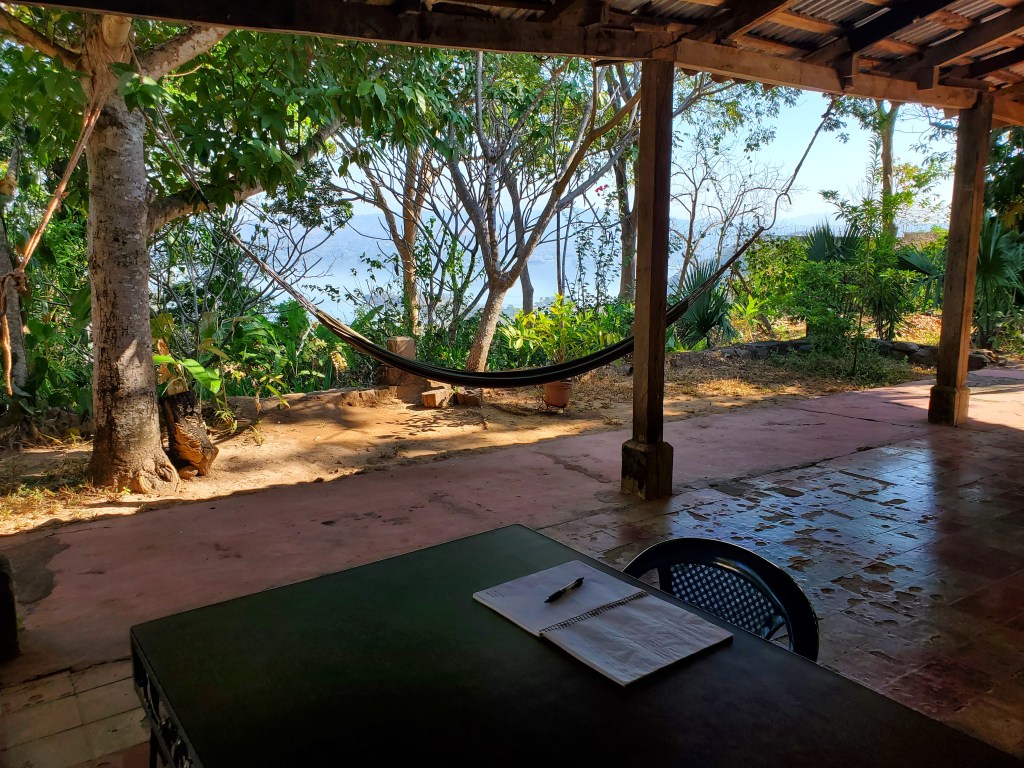
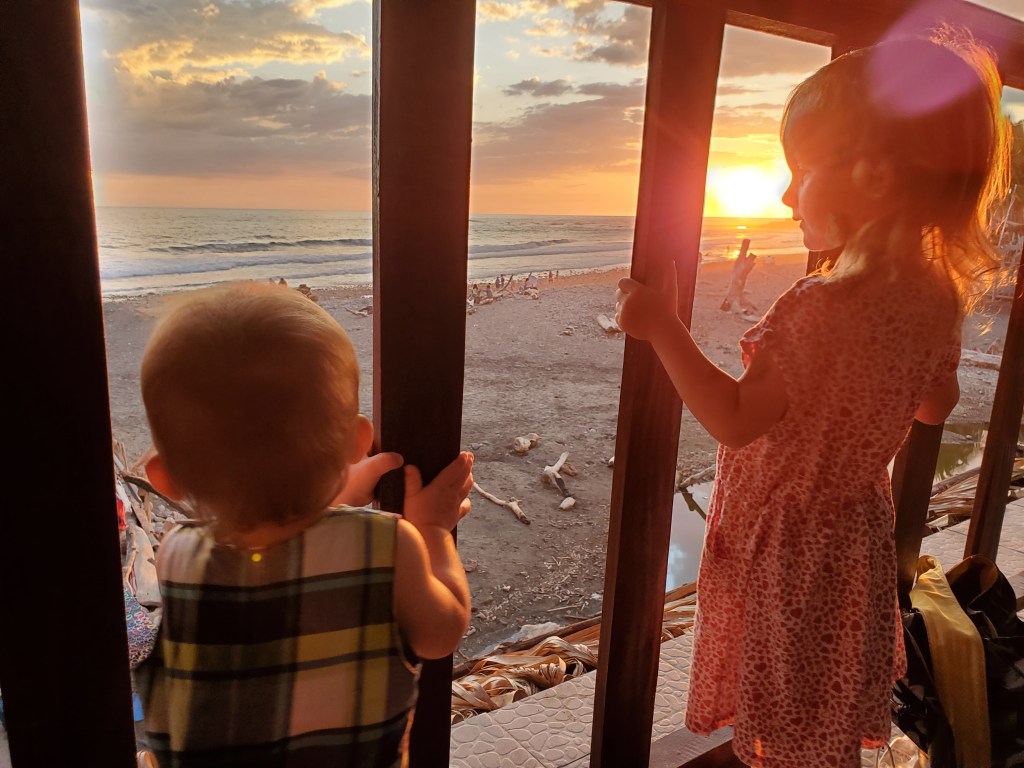
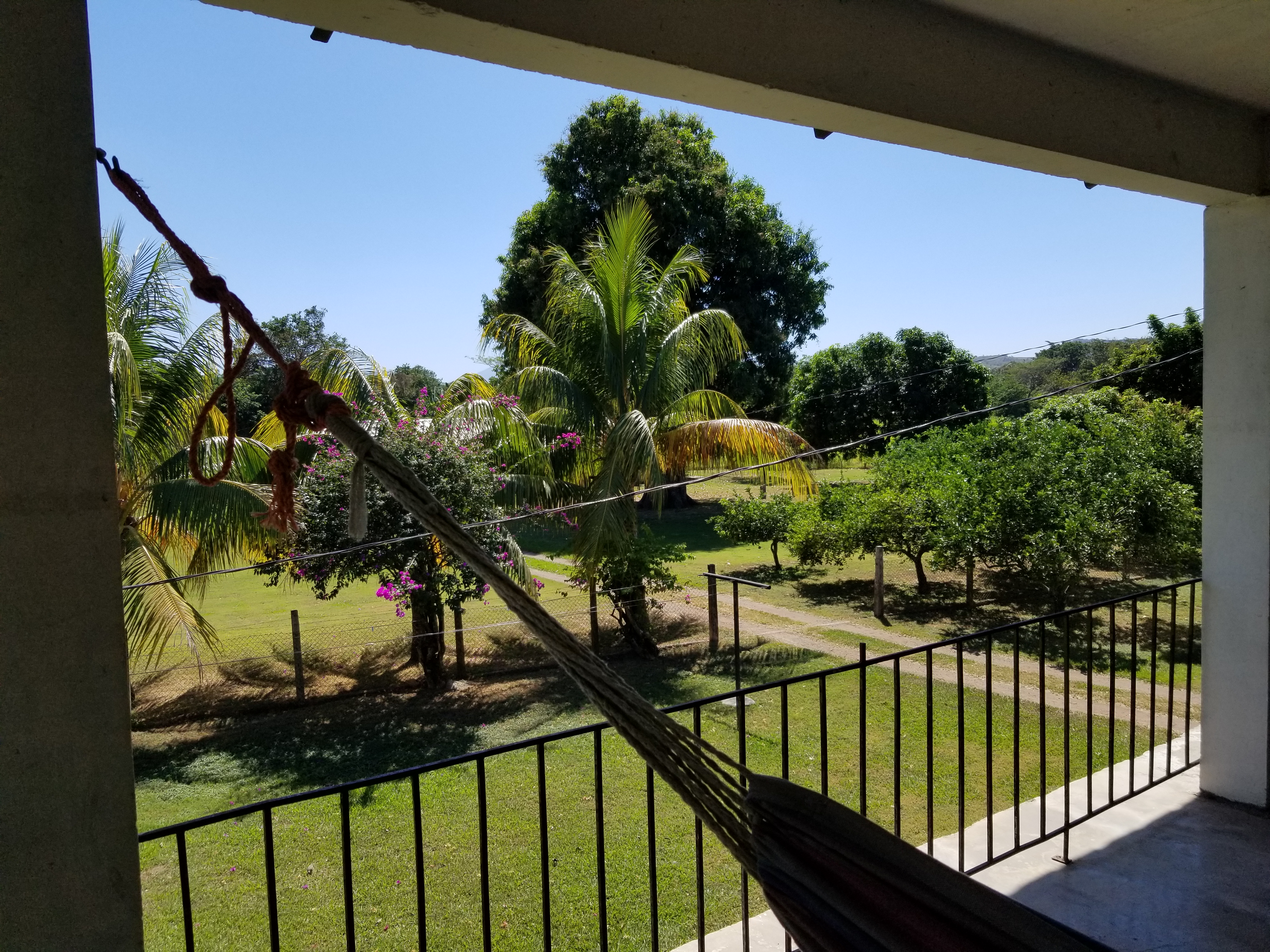
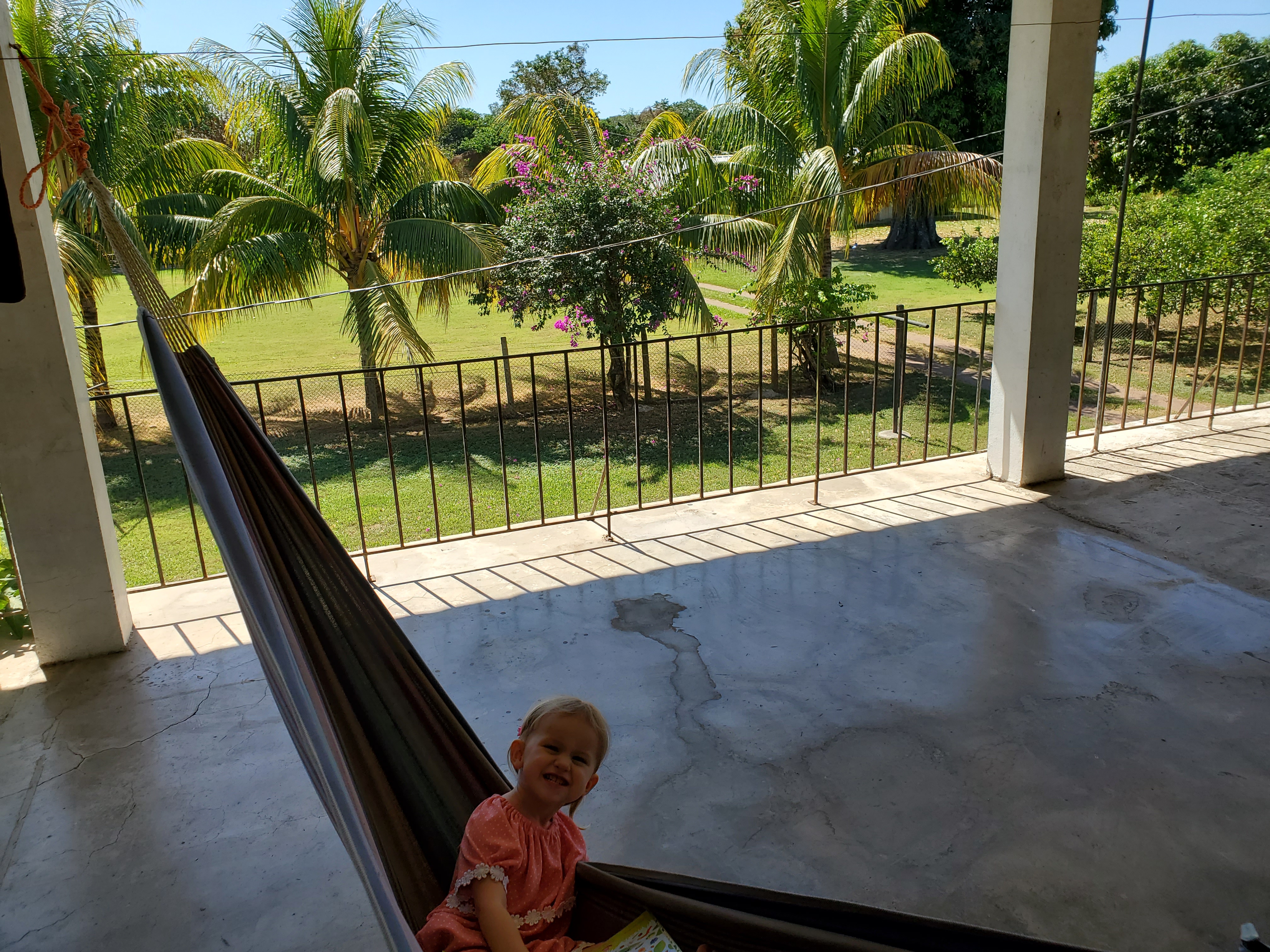
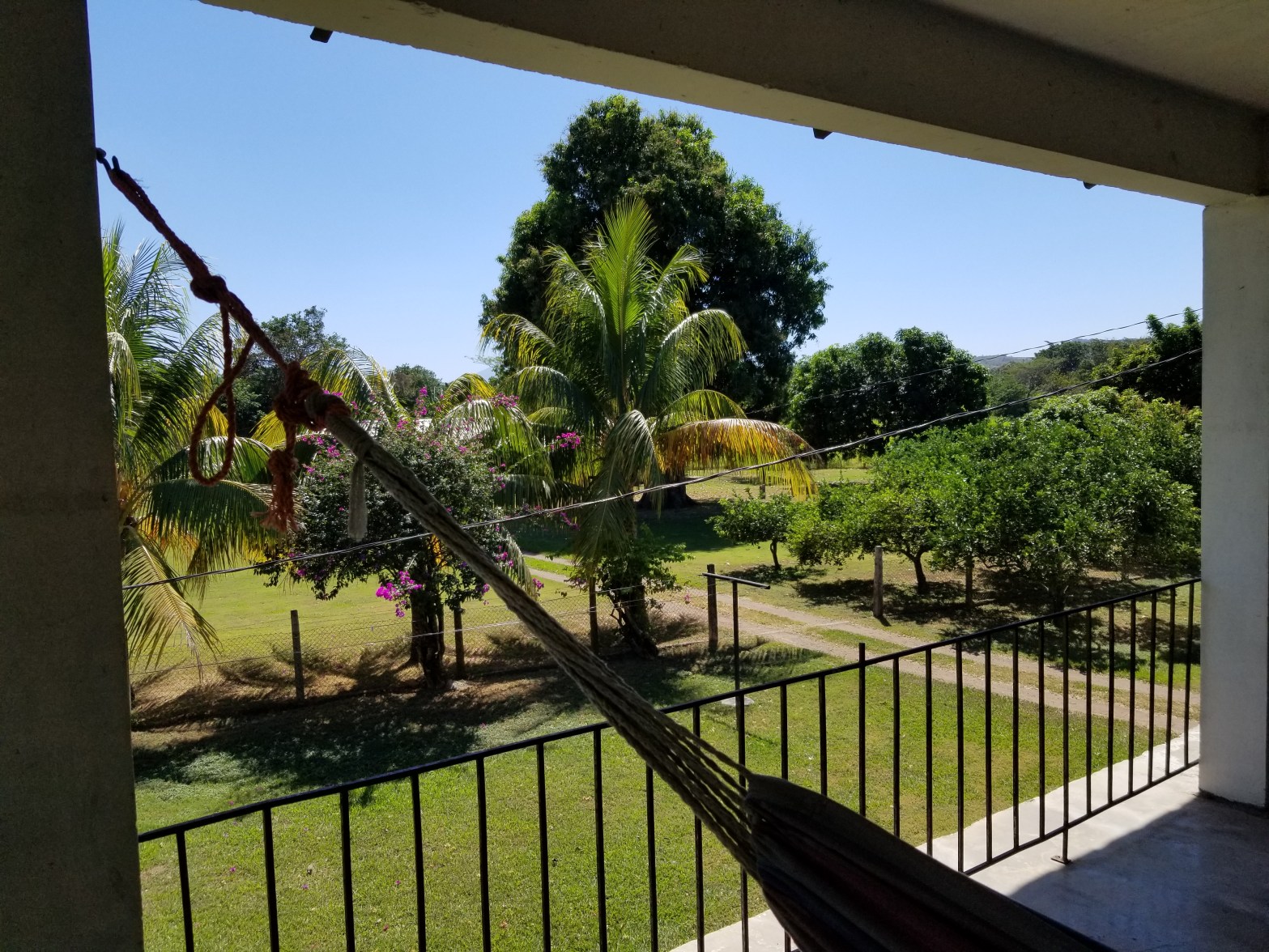
The lessons were hard but the view was wonderful.

Learning a new language is teaching me more than just another language. I am learning that communication is not the same as intelligence. So often, I have judged other’s intelligence by their ability to communicate with me in my language. I am learning to be more patient when others don’t understand. I can be impatient when someone doesn’t “get it” the first time but now I’m the one not “getting it”. I am learning that learning a language is far more than just memorizing the definitions of words. Sometimes, I can read a sentence in Spanish and understand every word but still have no idea what it is saying. Different languages have different rhythms and different combinations of words that can mean many things other than the dictionary definition of the words.

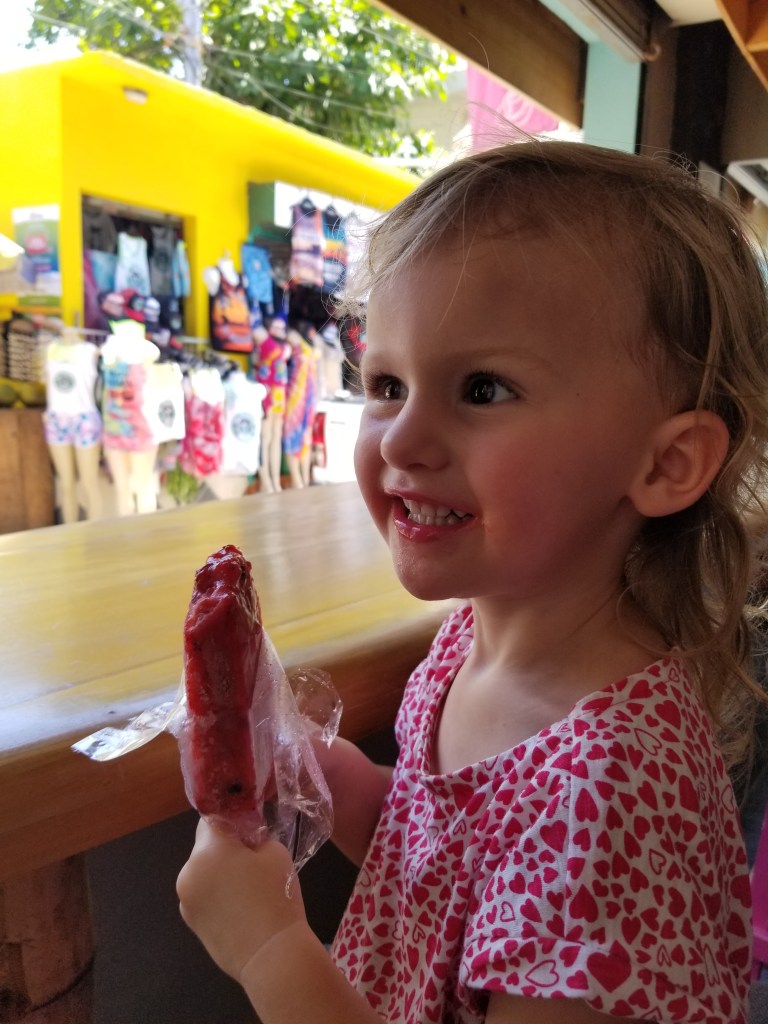
Fortunately, not all my time is spent studying Spanish. Last Wednesday evening after church(evening services here begin at 4 PM), we headed into Aguilares for pupusas. David led us to a hidden jewel on the edge of town. La Toma was an old railroad station, now repurposed into a small park. Various vendors hawk their wares around its edges. At one, short, smiling ladies with slightly smudged aprons are busy patting out pupusas and frying them to a delicious golden brown. At another, a sort of nachos are being served in half pineapples and at another, skewers of frozen fruit coated in chocolate.

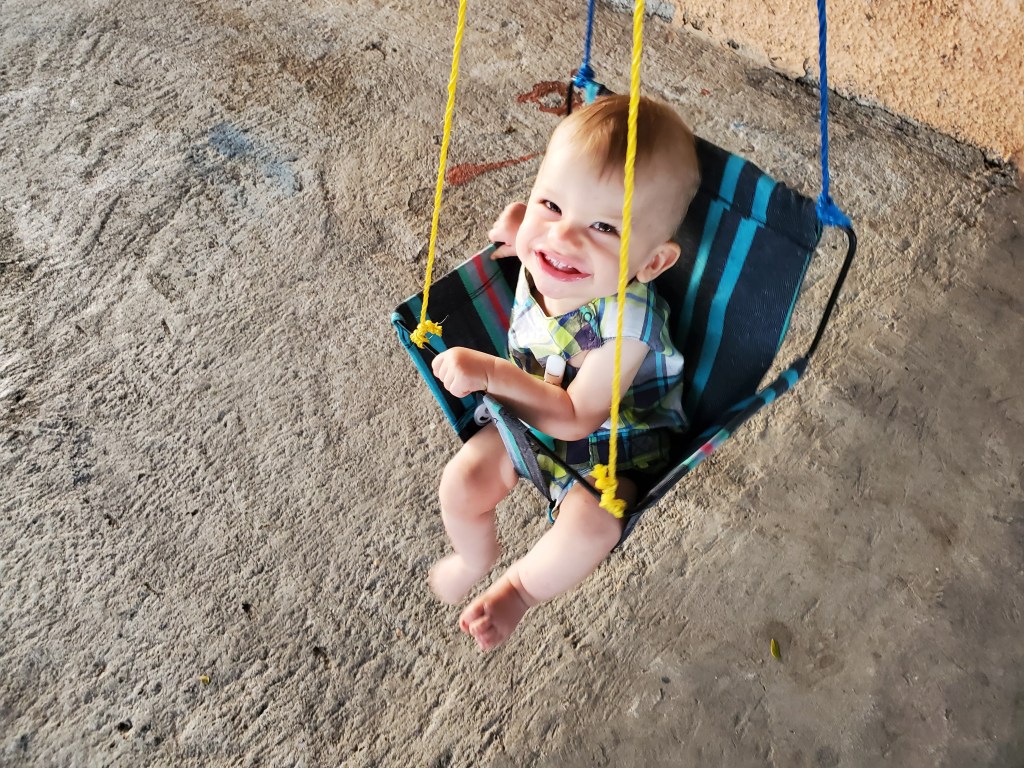
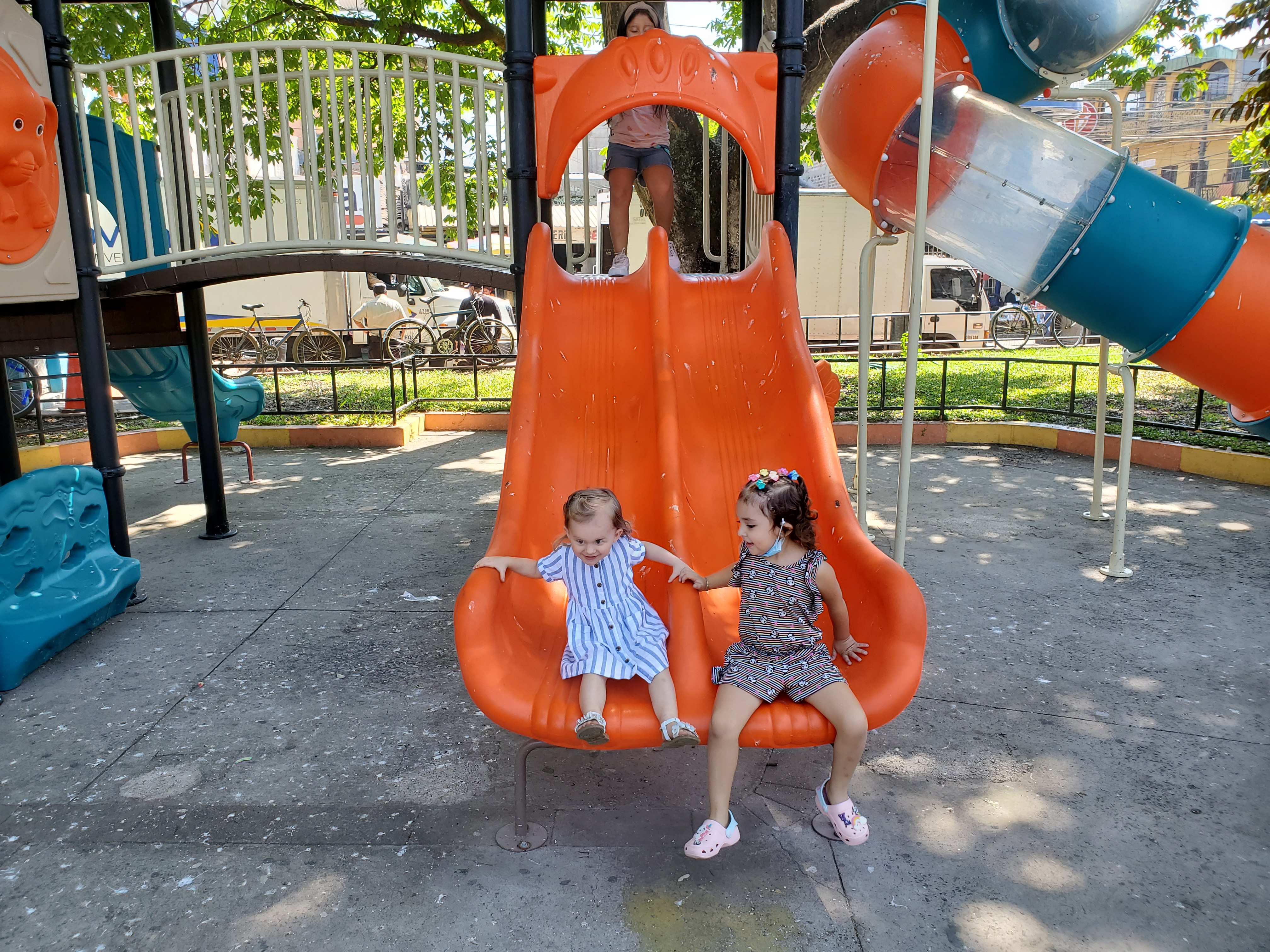
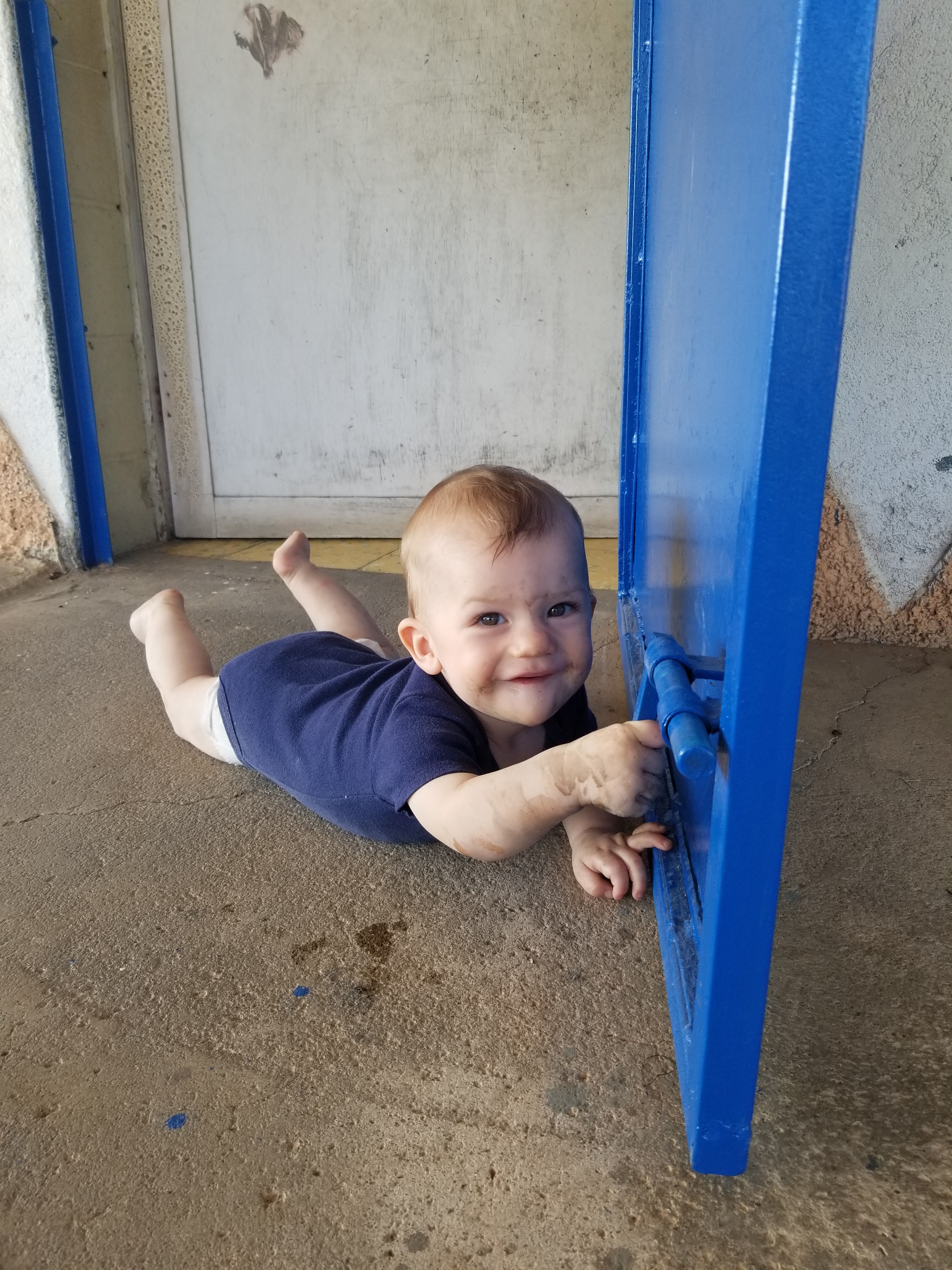
The center of the park consists of small paths, winding around bright green bushes and colorful flowers. The paths lead to Amy’s favorite part of the park, a bright blue and yellow playhouse with an uncomfortably steep slide and a small swing. As darkness softly settles over the park, other young couples wander the paths and children run and play on the slide. If not for the small pickup truck driving around with a bullhorn blasting Spanish advertisements at an obscene volume, it could be any park in the US on a warm summer evening.
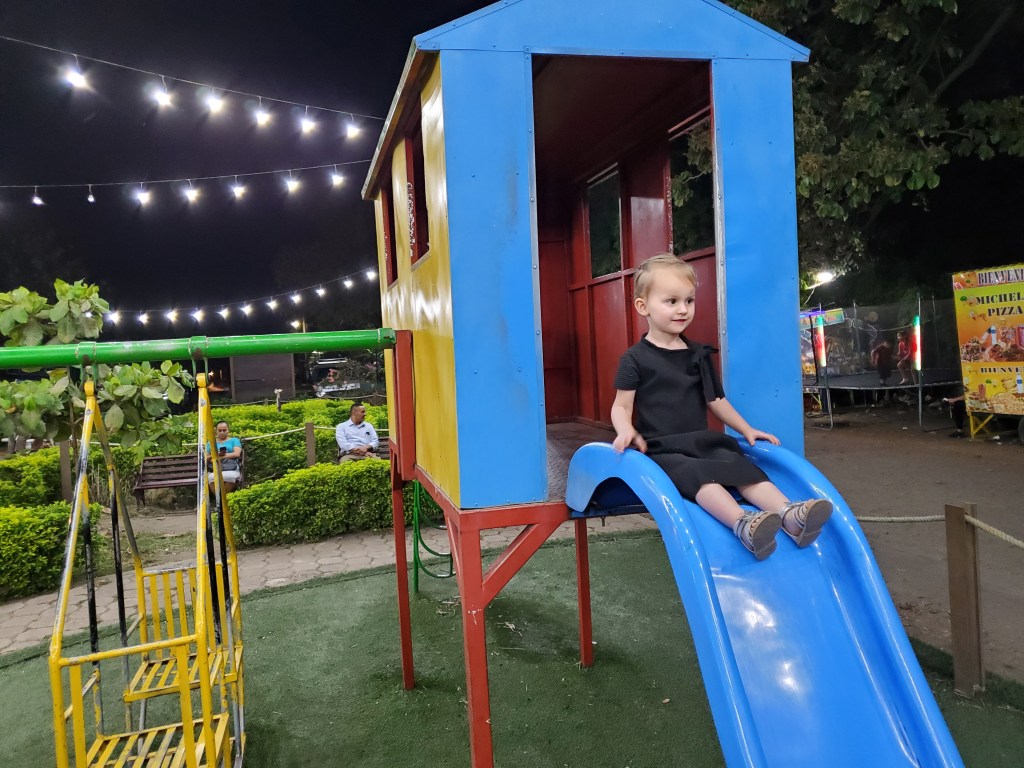
Amy loved the slide and swings

We look forward to getting to know the remaining staff of CICS as everyone is due to be here March 1 and 2, with a start date for school finally set for March 8. It has been much delayed due to Covid, normally school here starts in early February.

The extra time has allowed some projects to happen, including finishing out four bathrooms with tile, trimming back trees from the power line, grinding up coconut shells for mulch and repainting the school house from a dull orange to a dark blue.

Trimming Trees

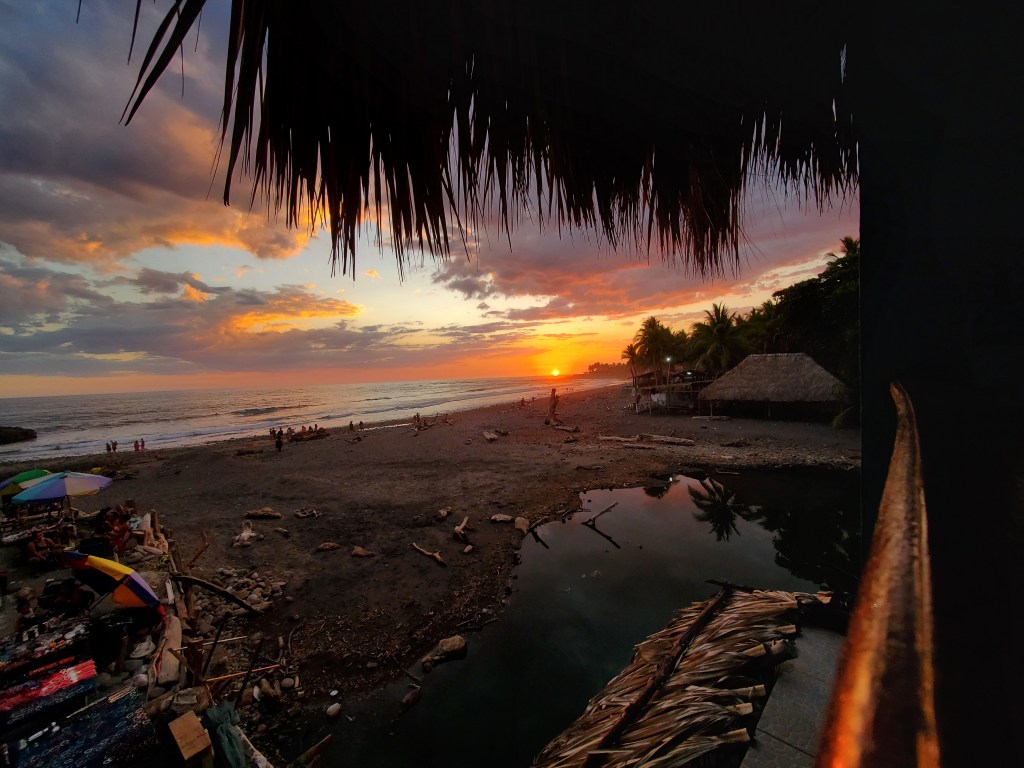
Now as I sit here and write, we are at a beautiful little AirBnB in the little beach/surf town of El Tunco. Yesterday, February 25 was our 4th anniversary and this little trip is in celebration of 4 incredible years together. Yesterday, we ate lunch overlooking the ocean while watching the surfers conquer the thundering waves, then enjoyed supper as we watched the sun sink slowly into the Pacific. God has been so good to us, first bringing Mel and I together, then bringing Amy and Liam into our lives and now leading us to El Salvador. We eagerly await what the next years will bring.
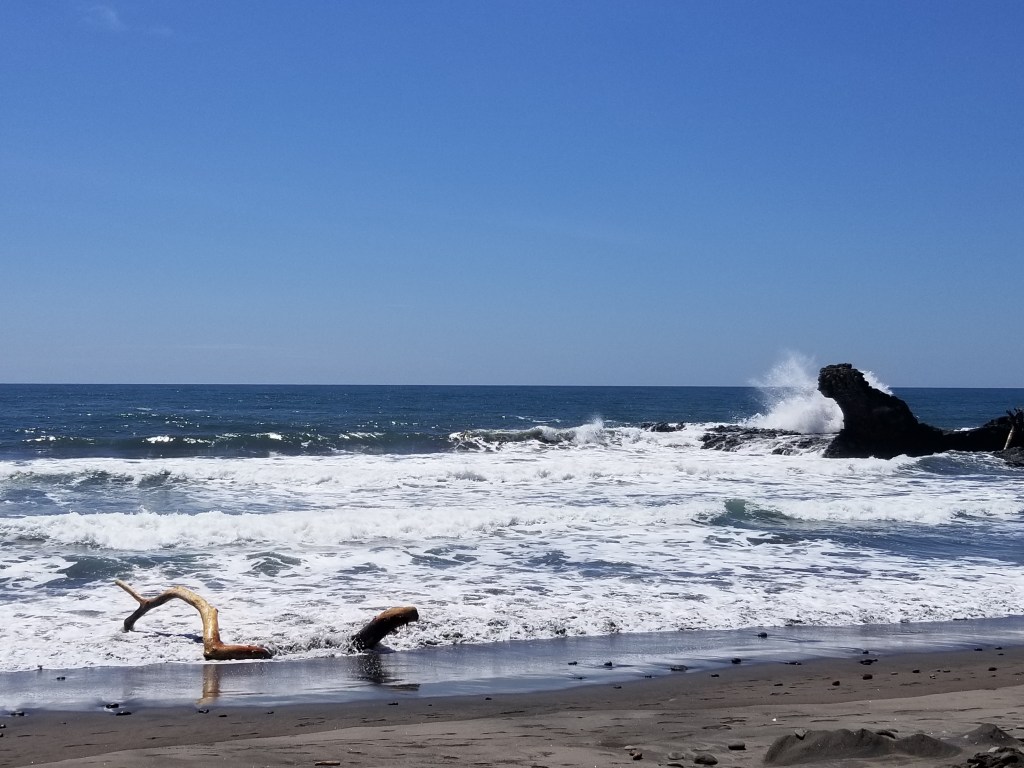
I will extol thee, my God, O King; and I will bless thy name for ever and ever. Psalm 145:1
Welcome to El Salvador

Bitter cold, snow and ice to balmy breezes, bright blue skies and glorious sunshine. The hum of saws and the rat-a-tat-tat of pallets being built to the squawking of chickens and the constant cacophony of bird sounds. Pancakes, hamburgers and pizza to pupusas, tortillas and beans. So many differences from our home in WV to our new home in El Salvador.

And yet so many things that are the same. Friendly neighbors, made even friendlier when Amy smiles impishly at them. A world disrupted by COVID, yet everyone making the best of the situation. A church who strives to fellowship and worship and yet honor the government and things that they require.

For those of you who may not know, Melody and I along with Amy (2-1/2) and Liam (10 months) have committed to spending the next two years here in El Salvador working as administrators at CICS, a school for deaf children. It is a small school with only 7 students on the roster for this year. 5 of those students need to be picked up and taken home every day, while 2 will stay during the week and go home weekends.

The staff here consists of David Glick and Esther Glick – teachers, Janica Miller – Cook, Nancy Vasquez – Domestics, Edwin Glick – Dorm dad/maintenance. Only David is here with us now, the rest of the staff will arrive later. Daren and Mary, a newly-married couple from church, are currently staying in “Casa Twila,” the guesthouse, but they will be moving out in a few weeks to a house just minutes away.

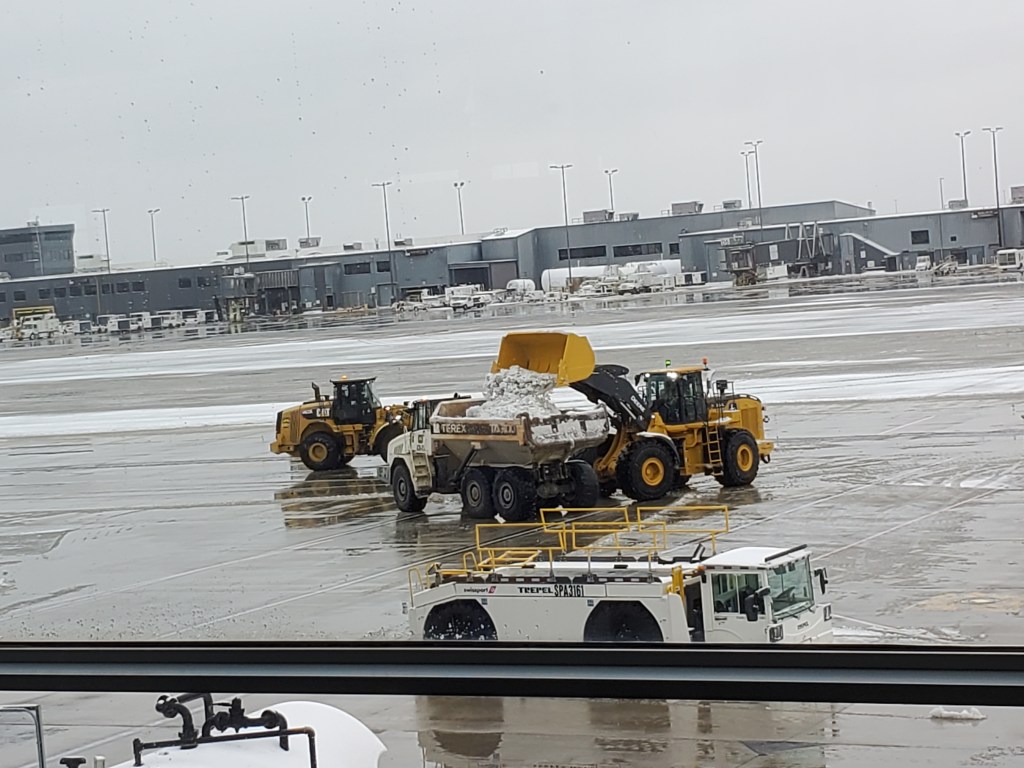
We arrived at the International Airport of Dulles in the middle of a 3 day snowstorm and waited anxiously in the terminal while the snow was pushed off the runways and hauled away. If our flight was delayed until the next day, our COVID tests would no longer be valid as that would push them out of the 72 hour window and El Salvador is rumored to strictly enforce these kind of things.

Our fears were for naught as we lifted into the air right on time and descended into San Salvador 4 hours later where our test results were indeed carefully studied by the customs agent. Thankfully everything was in order and there was no problems. As we walked outside we were greeted by a warm breezy night and after meeting up with David in the airport parking lot and a quick supper of pupusas we headed for our new home. It was too dark to see very much and we were too tired to pay much attention Monday night but when we woke up on Tuesday morning, what a different world we were in.

Bright blue sky and sultry heat were offset nicely by the breezes that whipped through the compound all day. Green grass, brightly colored flowers and tall palm trees seemed to be everywhere. Amy seemed a little confused at first, as she asked multiple times, “Where is the snow?” She soon forgot about the snow however, as she realized she could play outside with no coat and even with no shoes.

Our first day here consisted mostly of setting up house and becoming familiar with our surroundings. I learned how to take care of the 200 chickens that the school keeps for some extra income and helped sort 173 eggs into small, medium and large flats. They sell for $3.00 a flat here (30 eggs per flat).

After the chickens were taken care of, David and I headed into town with me behind the wheel of the manual transmission, diesel, 15-passenger van. My experience driving manual vehicles in the States has been brief and unpleasant as I never learned to shift smoothly and never owned a vehicle that was not an automatic. Driving in El Salvador was no better as I struggled to shift properly, pay attention to the crazy traffic around me and watch out for speed bumps. After weaving through the crowded streets, stalling in the middle of the road and forgetting to slow down for a speed bump, I thought I had conquered the hard part as our destination finally came into sight. Then David pointed to a space only marginally bigger than the van and said casually, “You can parallel park right there.” My heart lurched a little but it was nothing like the lurching that happened as I maneuvered the van back and forth and back and forth, finally squeezing it into the space.

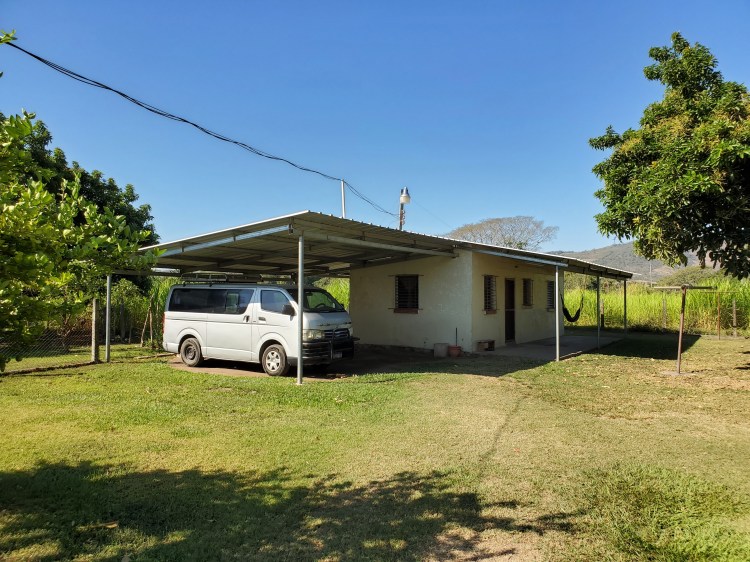
The VAN parked outside Casa Twila

The rest of the day was filled with recovering from the harrowing driving experience and then spending some time on office work and learning the bookkeeping method that the school uses.

For supper we decided to invite David as well as Daren and Mary over for pupusas, which a local comedor (little restaurant), delivered on a moto. Pupusas are a staple food in El Salvador, they are corn tortillas stuffed with beans and cheese and eaten with a cabbage salad and tomato-ey sauce. They cost $0.60 each and 3-4 per person makes a good meal. After an enjoyable meal, we thought we would have ice cream for desert. When we arrived, we made the happy discovery that the freezer was stocked with two buckets of ice cream. After setting out bowls for everyone and serving coffee, I pulled the ice-cream out of the freezer and opened the containers. Surprise! The “ice-cream” was actually frozen beans, stored in old ice-cream containers. After much laughter the beans went back into the freezer and chocolate wafers were served for desert instead. A few days later, Daren and Mary completed the “chiste” (joke) when, after a day in San Salvador, they brought us a carton of ‘real’ ice cream to enjoy.

Wednesday morning was spent in a meeting with the CICS board. It was an opportunity for me to ask questions and for them to fill me in on how things have been working and what they expect from us. Paul Glick, the chairman of the board, brought his wife and four children along. Amy had a wonderful time playing with the children and Mel enjoyed chatting with Geneva, Paul’s wife while they prepared lunch for everyone.

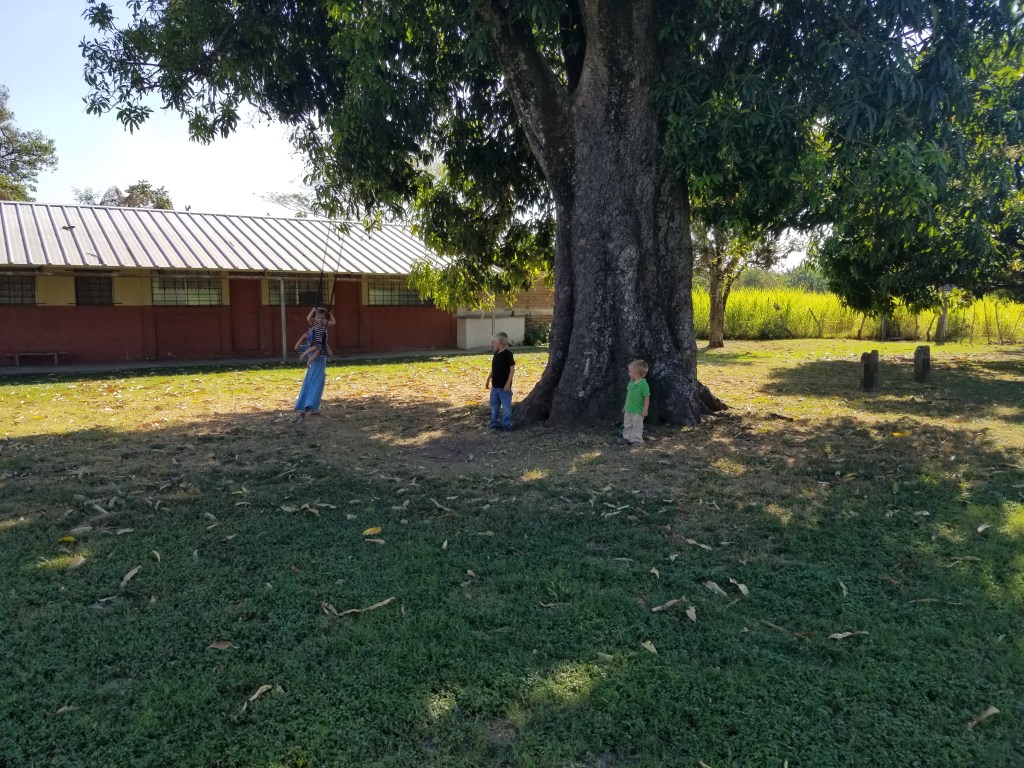
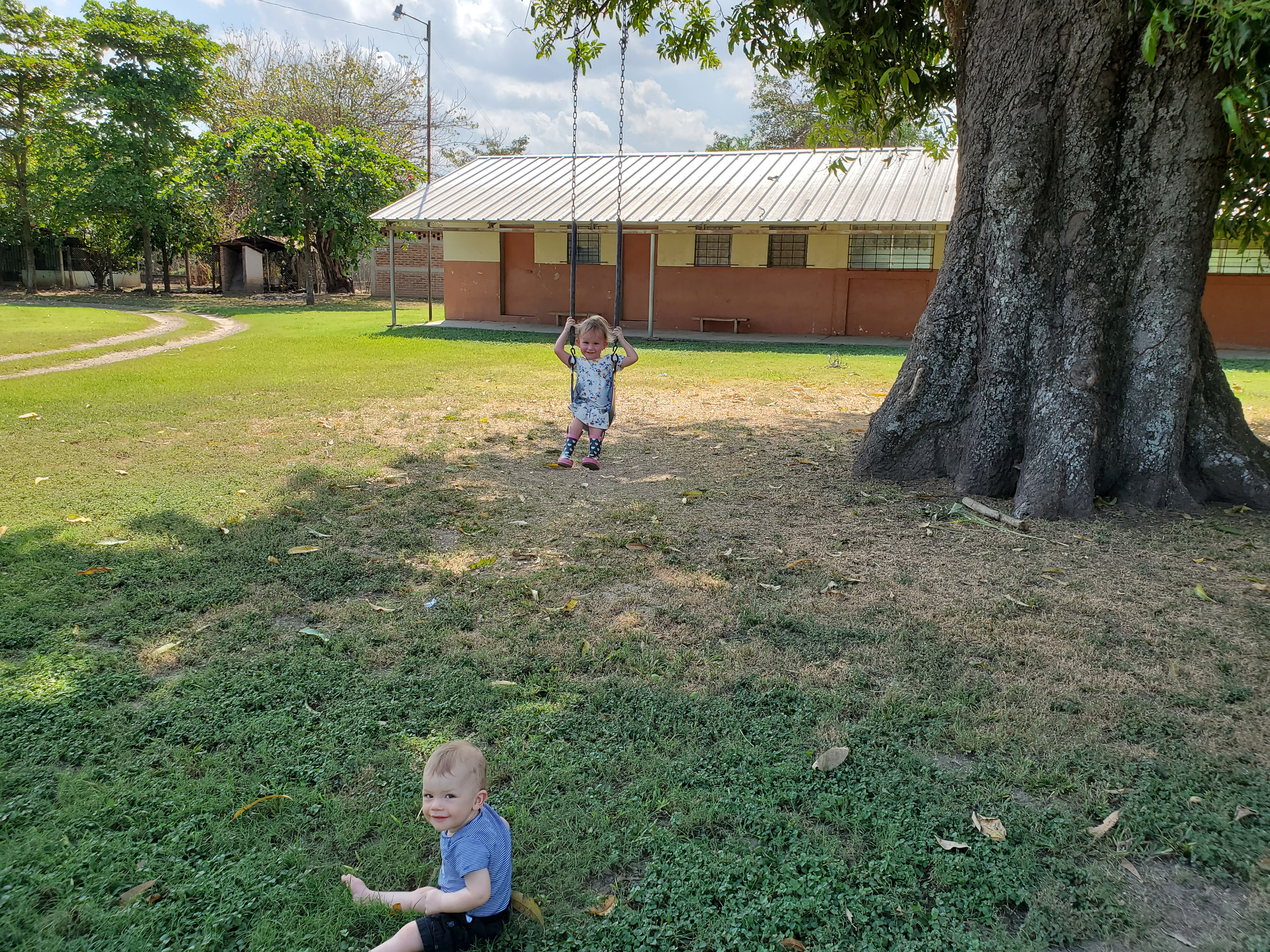
Playing on the swing beneath the mango tree.

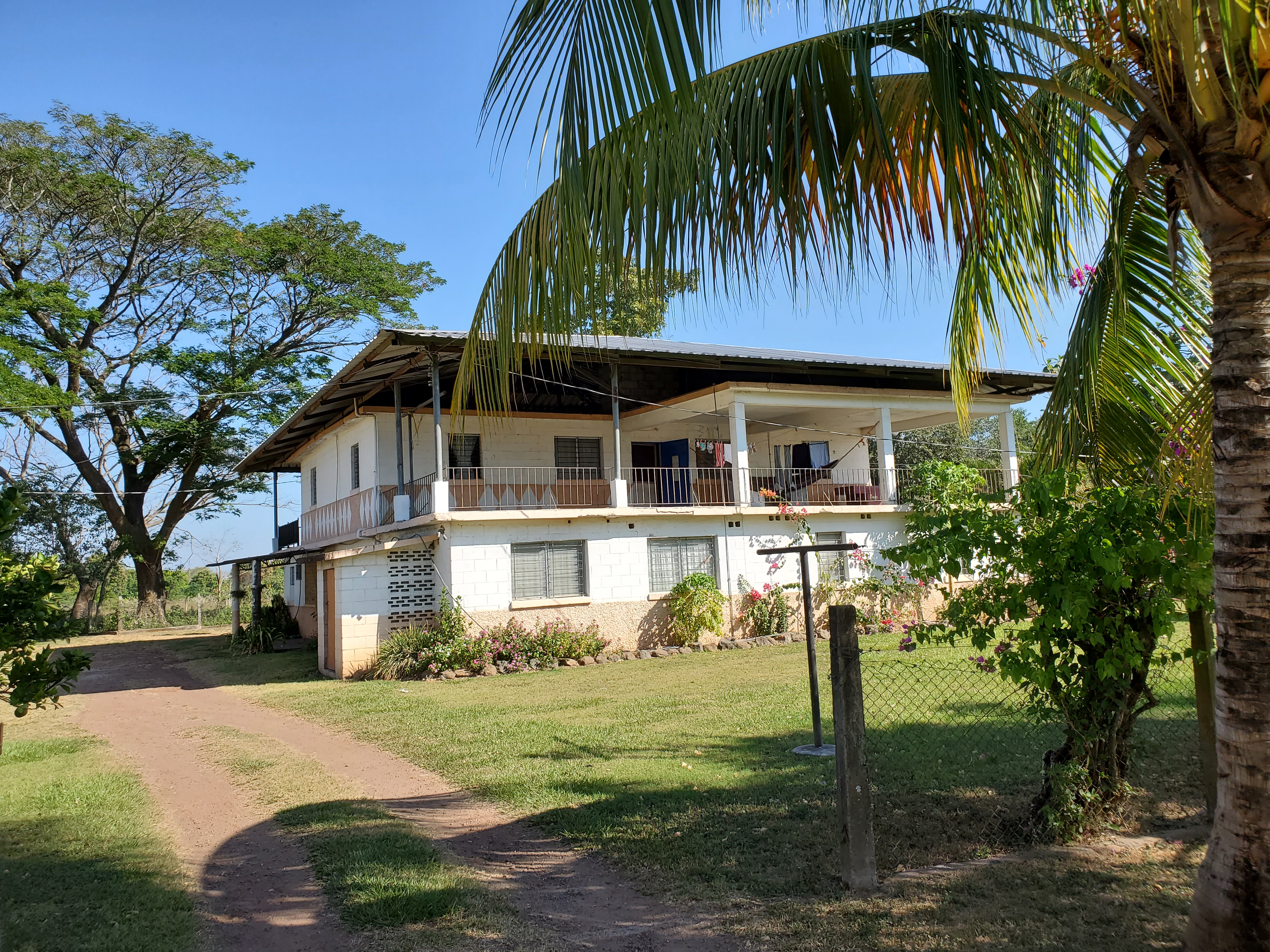
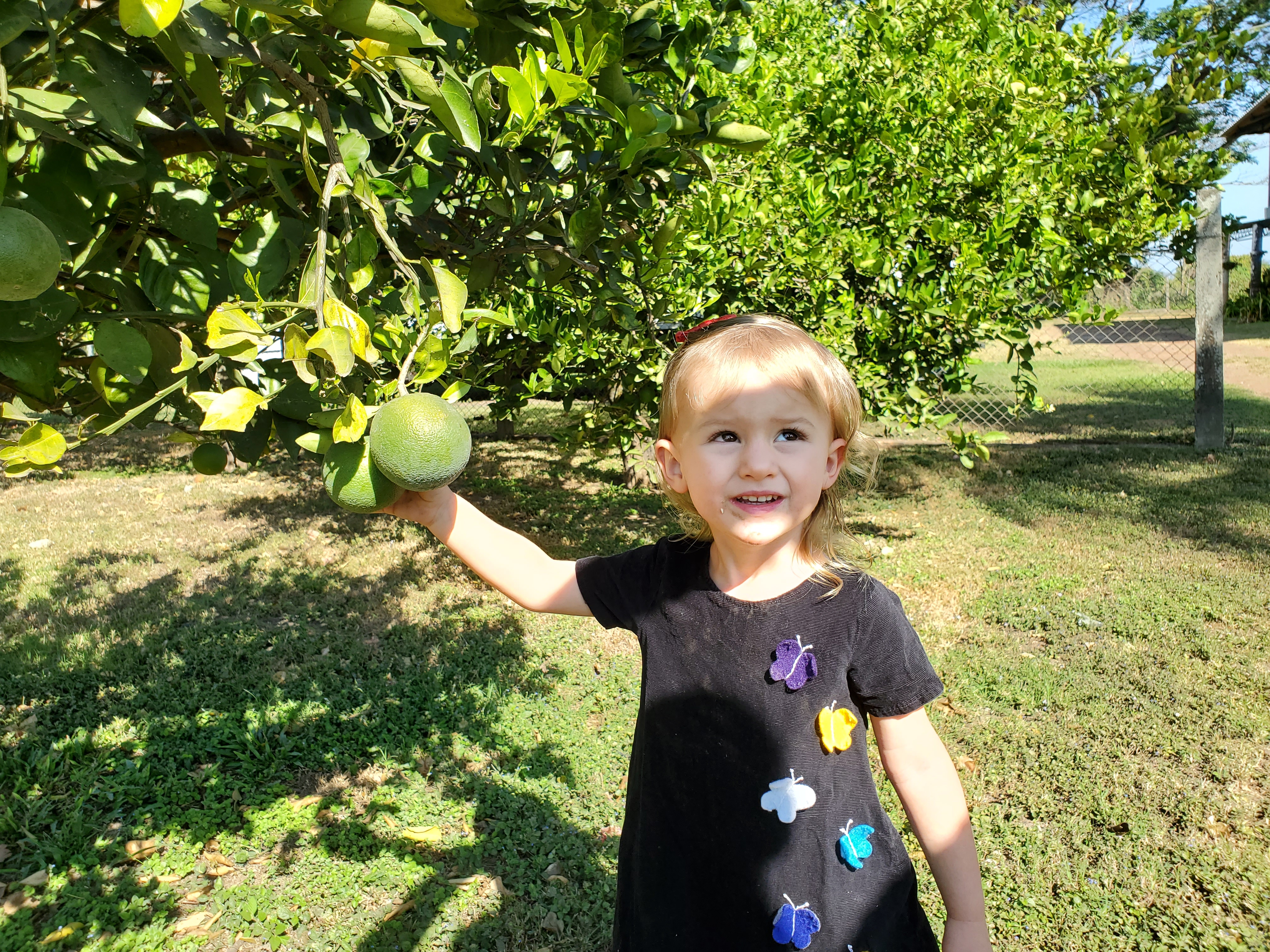
Thursday morning Mel and I took some time and walked through the various buildings and rooms in the compound and compiled a list of things that need to be repaired, cleaned, organized or replaced. The main house on the compound consists of 2 levels, the top level is our apartment, the bottom level is where the staff stays. It consists of 7 bedrooms and 4 bathrooms plus a kitchen, living room and laundry room. The rest of the compound includes a chapel, a schoolhouse with 4 classrooms and 2 bathrooms, a shop full of tools and supplies, an open air chicken house big enough for 200 chickens and a large yard with palm, almond, lemon, mango, banana, papaya, avocado and orange trees.

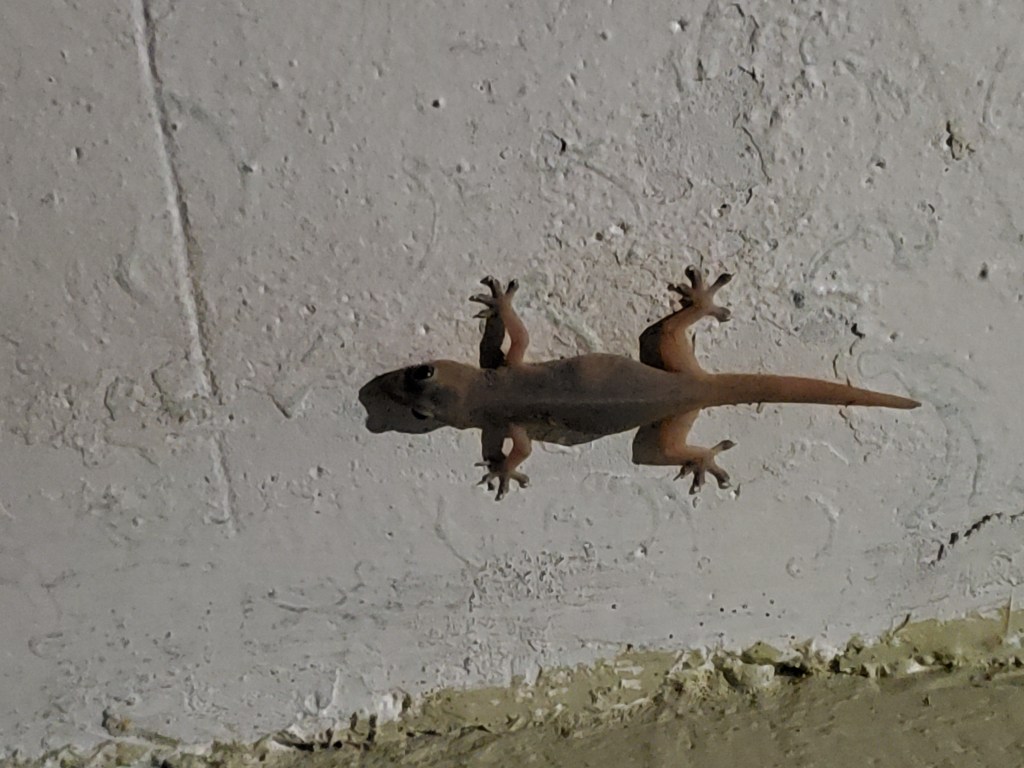
When the board was here, they had warned us that occasionally the locals like to drift through the compound, generally they are just passing through and mean no harm but they reminded us of the need to keep doors locked and valuables put away. Thursday night after supper we had our first real scare caused by an uninvited intruder. I was sitting on the couch holding Liam as he slowly drifted off to sleep, Mel had just joined me on the couch and we were listening to the peaceful night sounds as Amy played quietly by our feet. Suddenly Mel shrieked in alarm and something scurried across my arms, causing my body to violently eject from the couch. Liam woke instantly and screamed in terror, while Amy dashed into my arms, sobbing with fear. Not until I saw the tiny gecko on the wall and heard Mel gasping with delighted laughter did my thumping heart calm down. We tried our best to calm Amy and assure her that geckos were harmless but she didn’t seem convinced. Based on the actions of her parents, who can blame her?

The offending gecko – they are about 3″ long

It has only been a few days since we left snowy WV but already we have begun to feel at home here in sunny El Salvador. We look forward to the next few weeks as we continue to settle in and work on getting things ready for staff and students to arrive in a few weeks. Our desire is that God may use us here at CICS and that we may be a blessing to the board, the staff and the students as we serve them to the best of our abilities. Though we are living in an unfamiliar land, we know the promises of God do not change and for that we are ever grateful.

And the Lord, he it is that doth go before thee; he will be with thee, he will not fail thee, neither forsake thee: fear not, neither be dismayed. Deuteronomy 31:8