Congress shall make no law respecting an establishment of religion, or prohibiting the free exercise thereof; or abridging the freedom of speech, or of the press; or the right of the people peaceably to assemble, and to petition the Government for a redress of grievances.
The founders of America were aware that a free people must have a free press, the right to information without having it first filtered and approved by the government. They believed that people were capable of receiving information and deciding for themselves whether this information was true and good. The founding fathers did not want the government to keep the press in line as was normal in countries led by dictactors or kings – they envisioned a country where a free press would prevent misbehaviour by the government and it’s officials.
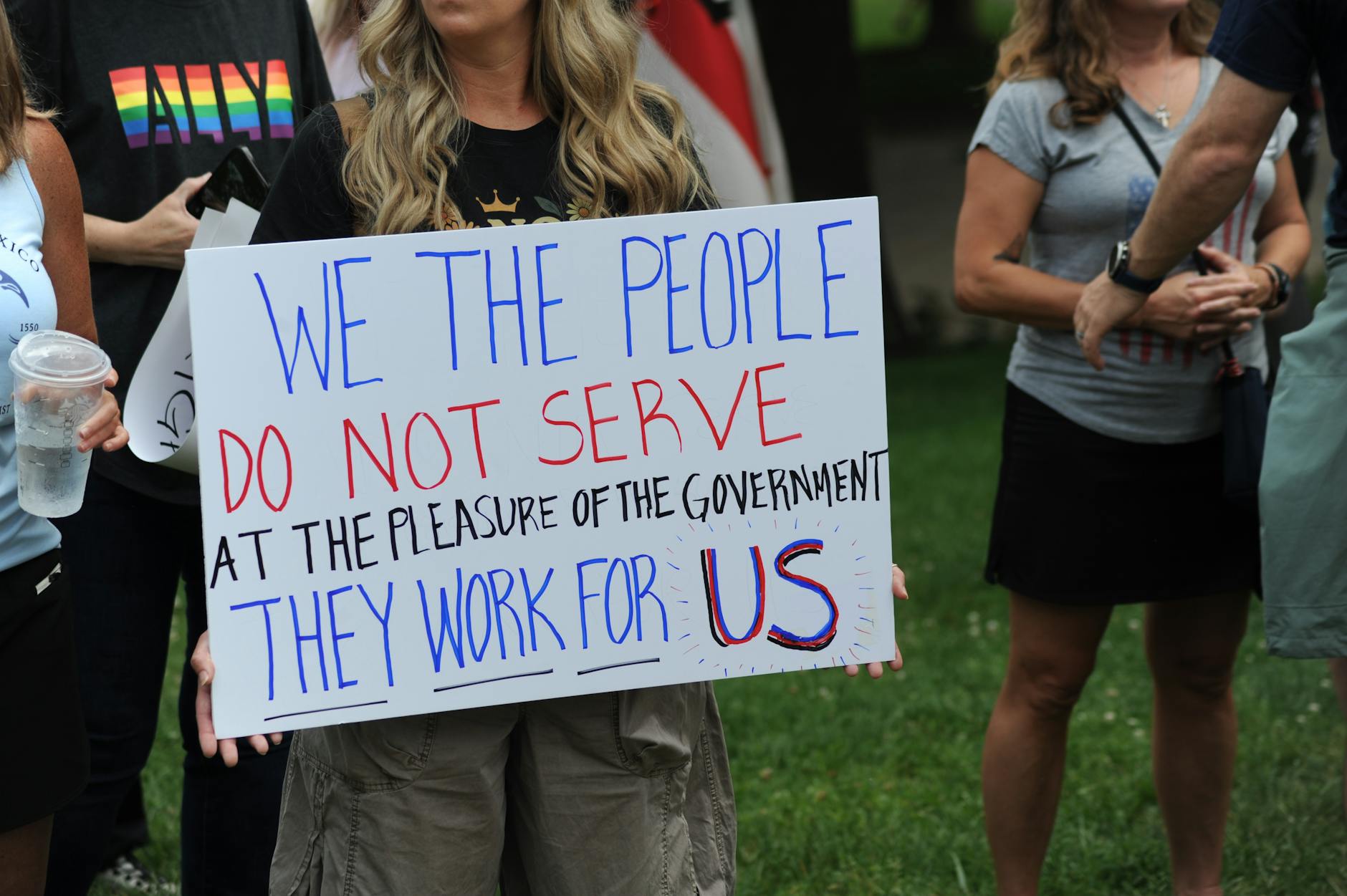
Is this a good thing? Today, we have so much misinformation, disinformation and AI generated content swirling around us, we may ask the question – do I really want freedom of speech or do I want someone to make sure that the information that is published or posted is true?
What does free speech really mean – does it mean I can say anything that I want with no repercussions? If I’m working for the government and I go on Facebook and post an untrue rant against the current President, can I lose my job for that? What about if I work for a private company and I comment on a post about Charlie Kirk’s death – saying “good riddance” – can my boss fire me or is my speech protected? What if I’m a celebrity or political figure with millions of followers and I share a post encouraging violence against someone I disagree with, is my right to do that protected by the First Amendment? These are sticky questions!
Although hateful and offensive speech is generally protected, speech that is likely to cause imminent harm to someone is not. In addition, the first amendment does not apply to private employers and even for employees of the government, their speech may not be protected if it causes interference with their job duties.
A real world example of the debate around free speech and what is protected occurred in the aftermath of the Charlie Kirk assassination. While many mourned his death, some people shared or created posts expressing their lack of sorrow and even suggesting that he deserved what happened. These kind of posts are clearly protected against interference from government authorities but proved to not be protected in the context of employment and some of the posters lost their jobs. Karen Attiah, a writer for the Washington Post, was someone who disagreed with Charlie’s views and posted some negative things about him immediately after his death. She was fired from her position at the Washington Post immediately, receiving an email the following day informing her that she was being released for “gross misconduct”. She protested the firing as unfair and argued that as an opinion journalist, her job was to give her opinion on current events and that she should not be punished for doing that. However, this was a case of her speech not being protected by the First Amendment in the context of her employment and she experienced the very real consequence of losing her job due to her speech.
Just as there is debate around the freedoms of speech for individuals, there is also conflict around freedom of speech for the press. Within 8 years after the First Amendment was ratified, the Sedition Act of 1798 was passed. This law challenged the protection of the First Amendment and made it illegal to publish “false, scandalous and malacious writing” against the government or it’s officials. Some early founding fathers like Thomas Jefferson and James Madison did not like the law and argued it was in direct violation of the First Amendment. That law was immensely unpopular and soon expired and was not renewed, however there are certain areas of freedom of the press that are generally considered not protected under the First Amendment.
The most common may be libel or slander. This is publishing untrue and damaging information about an individual. Generally, to meet this standard it must be proven that the information published was false, the company that published the information knew it was false and still published the story with the intent to harm the individual in question.
Other speech that is not protected as freedom of the press may be obscenity, child pornography, information that is vital to national security and incitement to cause violence. The press has an enormous amount of freedom to post what they believe to be true and areas that are not covered are generally narrow and very specific.
However, there are many cases where the press has overstepped and been successfully sued for false or malicious reporting. A recent example is the case of Trump V. ABC News in 2024. An ABC news reporter made the claim that Trump had been found guilty for rape by multiple juries and Trump sued ABC for defamation. A judge refused to dismiss the case, stating that a reasonable jury could find that ABC had defamed Trump. However, the case was settled for 15 Million before going to trial. Although ABC did not technically lose this case, it is an example of the press experiencing a negative outcome for speech that went too far.
https://law.justia.com/cases/federal/district-courts/florida/flsdce/1:2024cv21050/664183/34/
Understanding the history and limits of free speech help me to understand how the world around me operates. Knowing that speech is strongly protected and is generally not censored for being incorrect or out of context makes me aware that I’m responsible to analyze what I read and decide whether it makes sense and is likely to be true. It also helps me understand how my speech is protected and how it isn’t. I am free to post almost anything I want on social media without experiencing legal consequences but that does not mean that I may not experience other consequences like losing my job if I post something highly controversial. Although there are many problems with our media today and a flood of false information that sometimes seems overwhelming, I am still grateful for the protection of the First Amendment. I much prefer the issue of having to sort through lots of information, some of it not true rather than facing the issue of heavy government censure, in places like Iran, Russia, North Korea and China.
This post written for Assignment 2.4 First Amendment Blog, Media and Society(COM-329-01A), Indiana Wesleyan University
 Learning From Adventures